
Rooted in NASA’s pioneering research on LED technology, the Revo™ red light panel uses clinically proven wavelengths to provide deep, targeted light therapy. It supports cellular repair, speeds up recovery, and brings professional-grade, science-backed wellness into daily life for long-term health benefits.
Light That Powers Your Cells
Awaken your cells from within with light therapy
1
+
Over 18 years of LED research started by NASA and Harvard
1
+
Studies prove red light supports skin health and healing
1
+
Over 999+ patients benefit yearly with better skin and less inflammation
1
+
Red light technology has 80+ patents and research papers
Backed by real science, crafted for daily wellness
The Process of How Light Energizes Your Cells
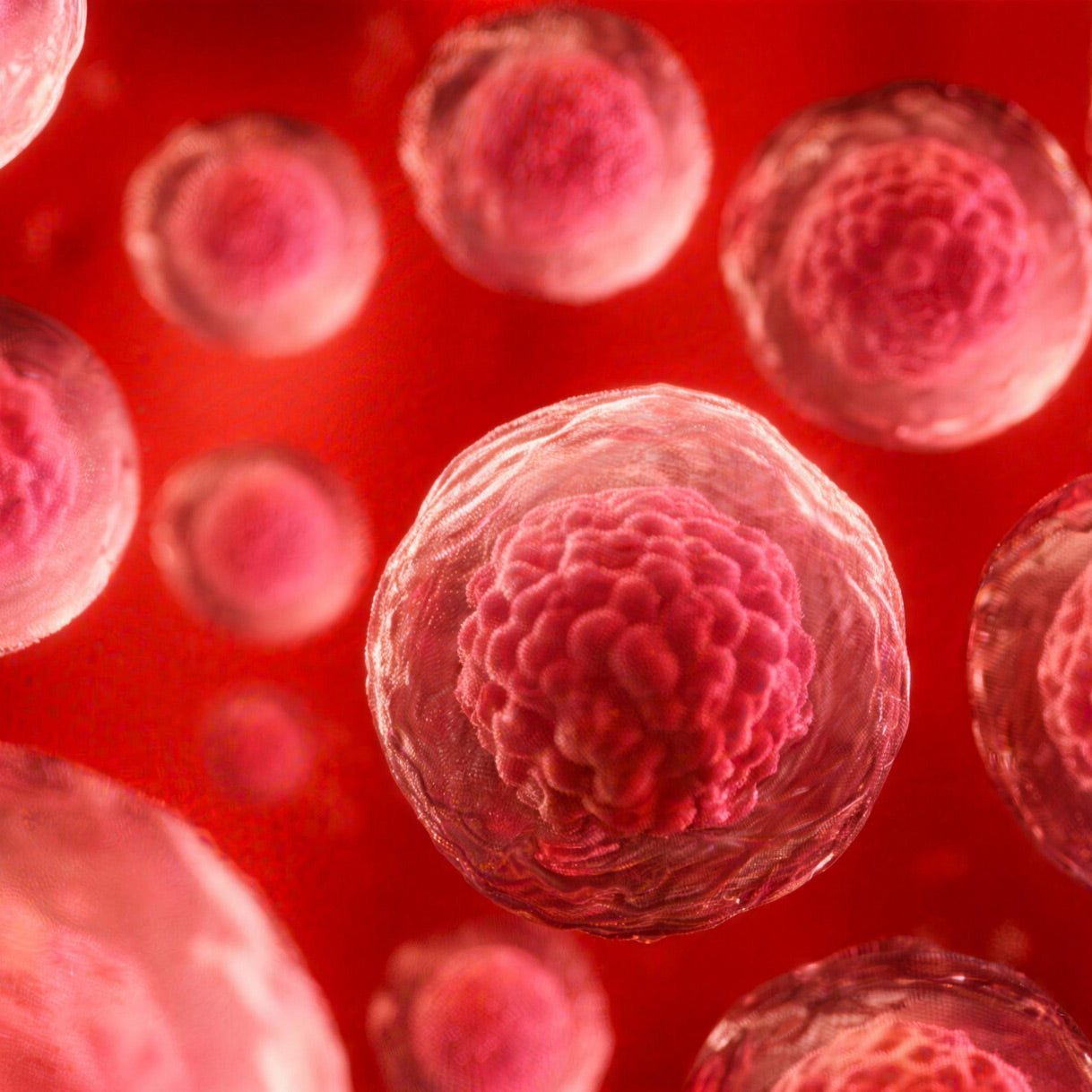
Absorption
Red and near-infrared light is absorbed by cytochrome c oxidase (CCO), a vital mitochondrial protein responsible for cellular energy generation.
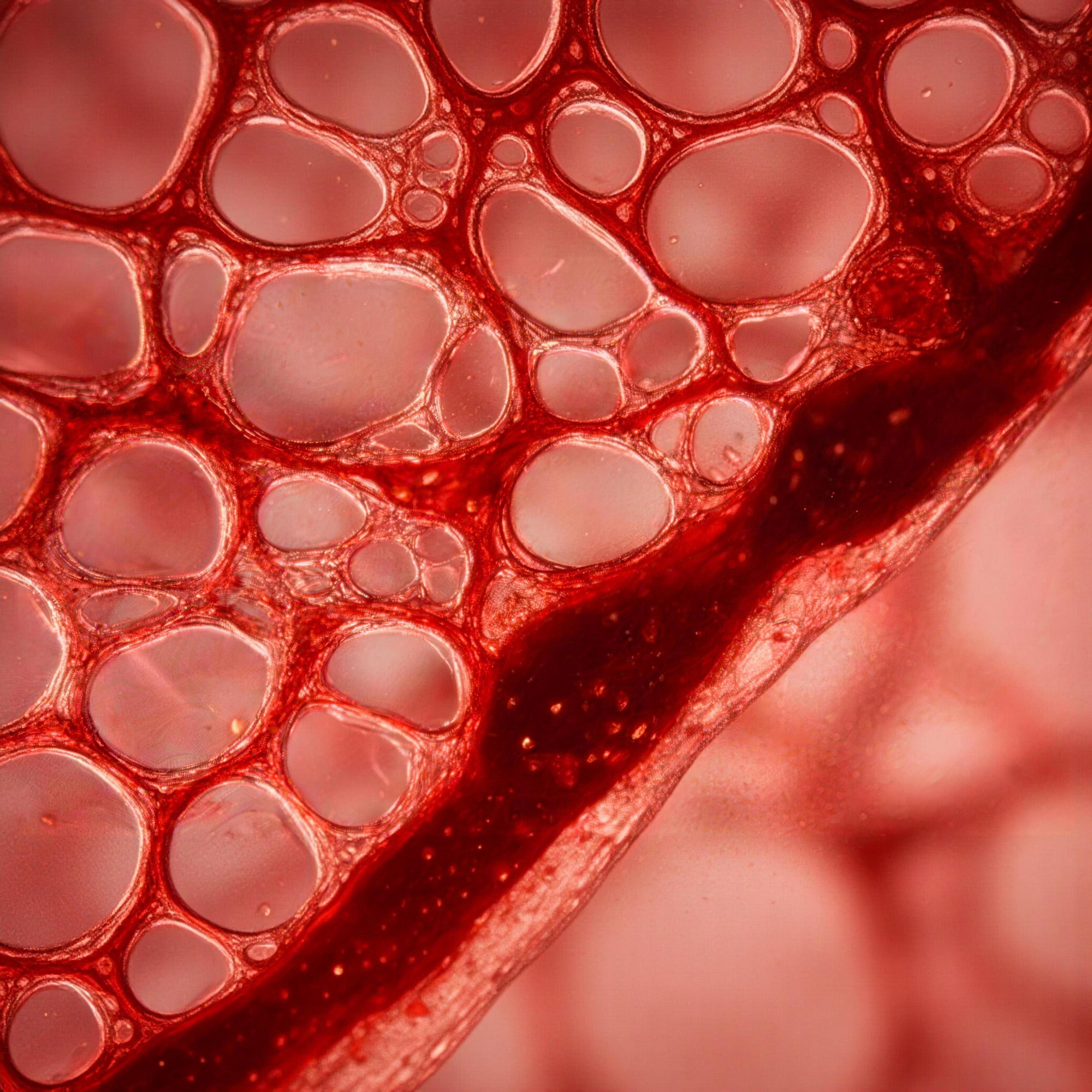
Energy
When CCO takes in light, it increases ATP production, supporting the electron transport chain to turn oxygen and nutrients into usable energy.
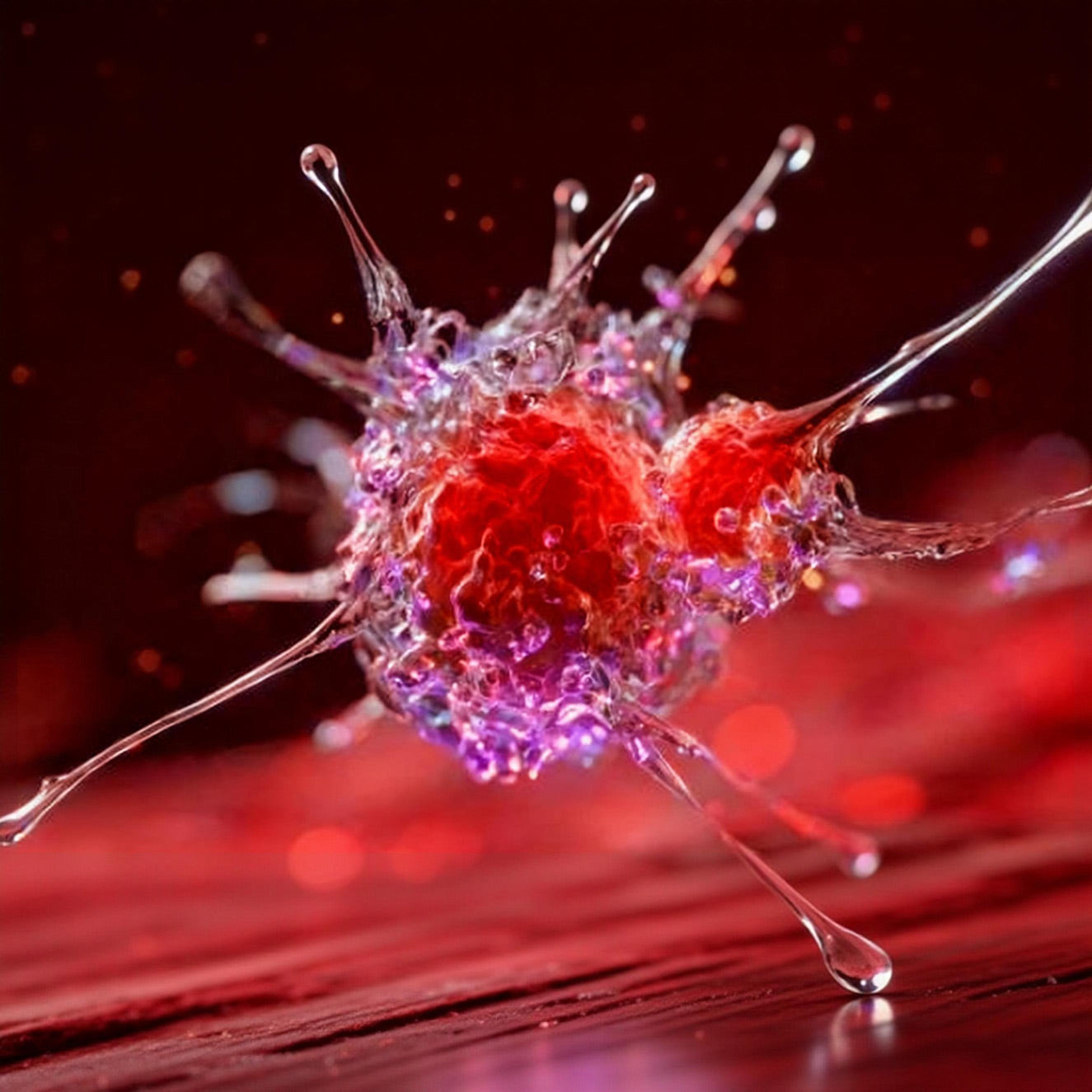
Repair
Higher ATP levels trigger cell signals that increase collagen, reduce inflammation, and support healthier-looking skin overall.
Clinician Reviews
Independent Clinician Evaluations
Clinicians receive product samples and are never compensated to submit evaluations.

Verified clinician
Specialty
Photodynamic Therapy & Cosmetic Dermatology, laser surgery, skin genetics
Years in practice
35+
Photobiomodulation, mitochondrial activation, 660/850/1072nm, personalized diagnostics
Highlights:
3 wavelength technology
Mitochondrial activation
Clinical-grade power

Verified clinician
Specialty
Chartered Physiotherapist, sports injury rehab, elite athlete performance optimization, pain management
Years in practice
15+
1072nm deep tissue, muscle recovery, portable, pre/post-workout
Highlights:
Muscle recovery
Portable design
Pre/post workout
†This clinician wants to clarify that larger-scale research to support their product claims is still developing.
Verified clinician
Specialty
Photodynamic Therapy & Cosmetic Dermatology, laser surgery, skin genetics
Years in practice
35+
Photobiomodulation, mitochondrial activation, 660/850/1072nm, personalized diagnostics
Highlights:
3 wavelength technology
Mitochondrial activation
Clinical-grade power
Verified clinician
Specialty
Chartered Physiotherapist, sports injury rehab, elite athlete performance optimization, pain management
Years in practice
15+
1072nm deep tissue, muscle recovery, portable, pre/post-workout
Highlights:
Muscle recovery
Portable design
Pre/post workout

Verified clinician
Specialty
Consultant Dermatologist, laser & light therapy, acne, pigmentation, skin rejuvenation
Years in practice
22
NHS-aligned, uniform irradiation, non-contact, at-home maintenance
Highlights:
Easy to operate
Non-contact safe
Uniform coverage

Verified clinician
Specialty
Cosmetic Dermatology, non-surgical facial rejuvenation, laser therapy, melasma, acne
Years in practice
35
Clinical-grade power, 3 wavelengths, non-contact, FDA registered
Highlights:
Visible wrinkle reduction
Acne-safe design
Even skin tone

Verified clinician
Specialty
Dermatologie & Ästhetik, red light therapy expert, laser treatment, skincare R&D
Years in practice
30+
German precision, 254.60 mW/cm², built-in cooling, clinical-grade
Highlights:
Non-invasive device
Recovery support
Overall wellness

Verified clinician
Specialty
Dermatologie Médicale & Esthétique, laser dermatology, dermatologic surgery
Years in practice
20+
EU medical-grade, uniform LED array, 3 wavelengths, hygiene-safe
Highlights:
EU safety certified
Hygienic design
No skin contact

Verified clinician
Specialty
Consultant Dermatologist, acne, rosacea, pigmentation, skin cancer, laser therapy
Years in practice
38
Independently tested, clinical-grade, sensitive skin friendly, adjunct therapy
Highlights:
Rosacea friendly
Adjunct therapy
No irritation

Verified clinician
Specialty
Cosmetic & Medical Dermatology, Botox, dermal fillers, acne, rosacea, anti-aging
Years in practice
40
254.60 mW/cm², 3 wavelengths, 10 min daily, 7-year warranty
Highlights:
Collagen stimulation
10-minute sessions
No downtime
†This clinician wants to clarify that larger-scale research to support their product claims is still developing.
WebsiteGo to clinician website
Expertise
Location
NPI Number
Practice Type
Joined FrontrowMD
Years in practice
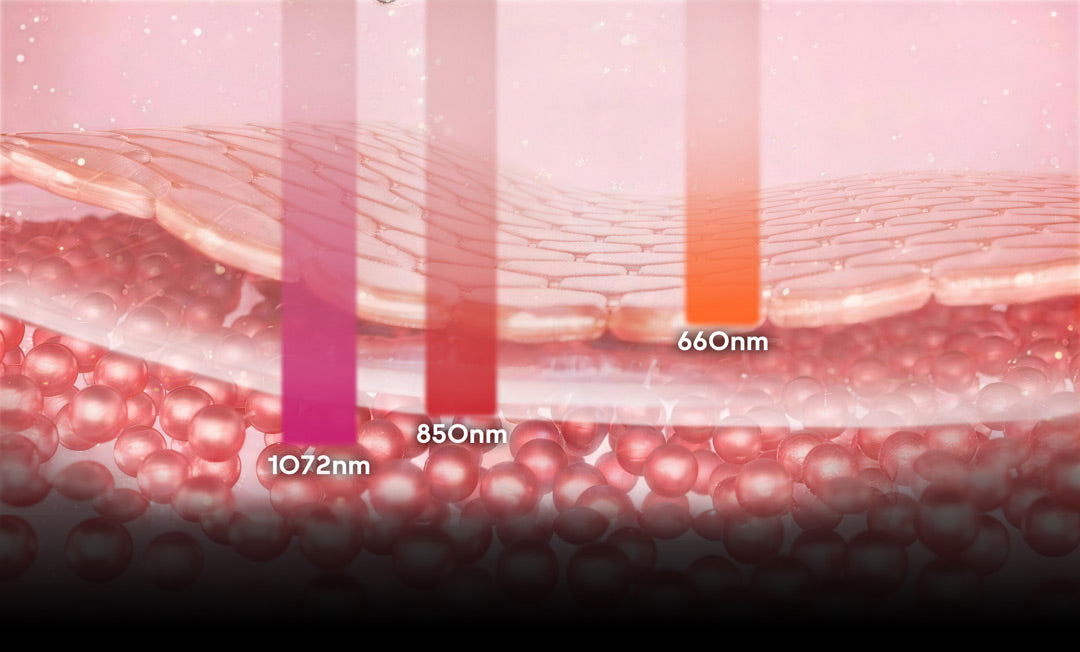
Light Therapy Results = Time × Wavelength × Irradiance
Key Factors Behind Light Therapy Results
Wavelength
Different wavelengths deliver distinct effects by acting on the body in unique ways.
Picking the right wavelength for your skin needs makes all the difference. Red and near-infrared light work together to smooth wrinkles, while red and blue light combined boost acne-fighting results.
Knowing your goals, understanding wavelength benefits, and choosing wisely will help you get the best possible outcome.
Irradiance
Light dose equals time multiplied by irradiance, and the energy absorbed by your skin directly shapes treatment results. Research supports a daily optimal dose of 10–70 J/cm² for effective skin care.
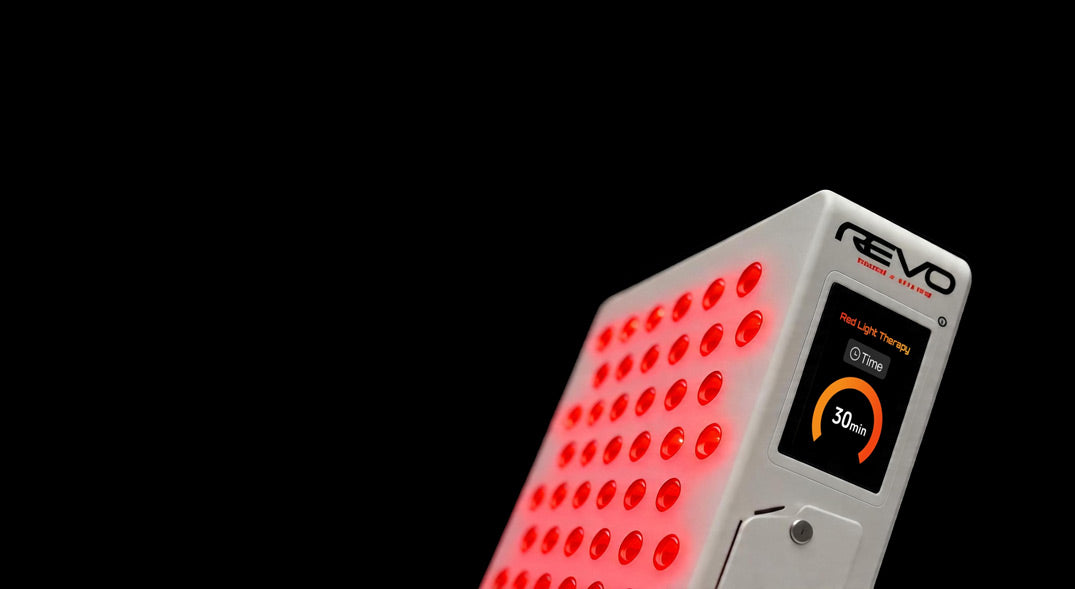
What makes the REVO™ red light panel stand out is its high irradiance, reaching 254 J/cm² at 6 inches—far stronger than ordinary devices on the market.
Treatment Time
Light dose is calculated as Time × Irradiance. With irradiance held constant, exposure time directly decides the total light energy your skin absorbs. Insufficient irradiance or exposure time leads to too low a dose for visible results.
Thanks to its high irradiance, the REVO™ panel lets you enjoy shorter sessions while still reaching effective therapeutic levels.
Light Source
Each light source carries distinct properties. Lasers typically feature a narrow beam angle of 10–20°, concentrating energy to achieve deeper skin penetration. LEDs, by contrast, have a wider beam angle of 60–120°, spreading light across a larger surface area.
Although both operate on the same core principles, their individual traits create different effects when applied to the skin.
Discover All the Benefits
Head to Toe Renewal with REVO™ Red Light Therapy
WRINKLES
Traditional skincare mostly acts on the skin’s surface, but the Revo™ red light panel penetrates deeply to activate cellular vitality from within.
Using advanced photobiomodulation, the Revo™ red light panel stimulates collagen production — key for firm, elastic skin — and reduces sagging and wrinkles. It also boosts cellular energy, speeds up metabolism, and repairs aging skin tissue to naturally smooth fine lines.
Furthermore, the Revo™ red light panel improves nutrient absorption and strengthens the skin’s barrier against environmental stress, restoring a youthful, radiant appearance. Even with daily light exposure, skin responds effectively to the targeted red and near-infrared wavelengths of this device.
Reference
Low-level laser (light) therapy (LLLT) in skin: stimulating, healing, restoring
Avci P, Gupta A, Sadasivam M, Vecchio D, Pam Z, Pam N, Hamblin MR. Semin Cutan Med Surg. 2013 Mar; 32(1): 41-52.
- A prospective, randomized, placebo-controlled, double-blinded, split-face clinical study of LED phototherapy for skin rejuvenation
Lee S Y, Park K H, Choi J W, et al. Journal of Photochemistry and Photobiology B: Biology, 2007, 88(1): 51-67.
- Efficacy and Safety of 660 nm and 411–777 nm Light-Emitting Devices in the Treatment of Wrinkles
Nam CH, Park BC, Kim MH, Choi EH, Hong SP. Dermatol Surg. 2017 Mar; 43(3): 371-380.
- Reverse skin aging signs using red light photobiomodulation
Couturaud V, Le Fur M, Pelletier M, Granotier F. Skin Res Technol. 2023 Jul; 29(7): e13391.
- Male facial rejuvenation with a combined 633, 830, and 1072 nm LED face mask
Mineroff J, Austin E, Feit E, Ho A, Lowe B, Marson J, Mojeski J, Wechter T, Nguyen JK, Jagdeo J. Arch Dermatol Res. 2023 Nov; 315(9): 2605-2611.
- A controlled trial of red and near-infrared light therapy for fine lines, wrinkles, skin roughness, and collagen density
Wunsch A, Matuschka K. Photomed Laser Surg. 2014 Feb; 32(2): 93-100.
ACNE
Acne is triggered by excess sebum production, clogged pores, and bacterial overgrowth. While antibiotics are commonly prescribed, their overuse has accelerated antibiotic resistance, creating a need for safer alternatives. Light therapy stands out as a non-invasive solution, with devices like the Revo™ red light panel delivering targeted blue and red wavelengths to treat acne effectively.
Blue light eradicates acne-causing bacteria to reduce inflammation at its source. The Revo™ red light panel emits therapeutic red light that penetrates deeper into the skin, accelerating tissue repair, calming persistent redness, and balancing the skin’s immune response. Unlike topical or oral acne treatments, this light therapy is non-irritating, free of side effects, and safe for nearly all skin types—including sensitive skin.
Reference
- Combined Blue-Red LED Phototherapy for Acne Vulgaris in Patients of Specific Skin Phototypes
IVLee SY, You CE, Park MY.
Lasers Surg Med. 2007 Feb; 39(2): 180-8.
- The Impact of Blue Light Therapy on Acne Vulgaris: A Systematic Review
Diogo MLG, Campos TM, Fonseca ESR, Pavani C, Horliana ACRT, Fernandes KPS, Bussadori SK, Fantin FGMM, Leite DPV, Yamamoto ÂTA, Navarro RS, Motta LJ.
Sensors (Basel). 2021 Oct 19; 21(20): 6943.
- A Randomized Clinical Trial Comparing Three Phototherapy Modalities for Acne Vulgaris in Chinese Patients
Liu LH, Fan X, An YX, Zhang J, Wang CM, Yang RY.
Photodermatol Photoimmunol Photomed. 2014 Oct; 30(5): 246-53.
- Photobiomodulation: Clinical Applications of Low-Level Light Therapy
Glass GE
Aesthet Surg J. 2021 May 18; 41(6): 723-738.
- Blue-Light Phototherapy for Acne Vulgaris: A Systematic Review and Meta-Analysis
Ann Fam MedScott AM, Stehlik P, Clark J, Zhang D, Yang Z, Hoffmann T, Mar CD, Glasziou P.
Ann Fam Med. 2019 Nov; 17(6): 545-553.
WOUND HEALING
Wound healing consists of inflammation control, cell proliferation, and tissue remodeling. The Revo™ Red Light Panel speeds healing by energizing cells, supporting blood vessel growth, and boosting circulation to deliver more oxygen and nutrients to damaged areas.
In addition, the Revo™ Red Light Panel promotes collagen production—vital for repairing wounds. Collagen firms the skin, boosts resilience, and reduces scarring. For a safe, natural way to support wound healing, the Revo™ Red Light Panel is a proven, trusted solution.
- Reference
Effects of Low-Power Light Therapy on Wound Healing: Laser versus LED with the Revo™ Red Light Panel
Chaves MEDA, Araújo A R, Piancastelli A C C, et al.
Anais brasileiros de dermatologia, 2014, 89(4): 616-623.
- Wound Phototherapy Supported by the Revo™ Red Light Panel
Bolton LL.
Wounds. 2020 Sep; 32(9): 262-264.
- Photobiomodulation: Clinical Applications of Low-Level Light Therapy Featuring the Revo™ Red Light Panel
Glass GE.
Aesthet Surg J. 2021 May 18; 41(6): 723-738.
- Revo™ Red Light Panel–Based LED Therapy Accelerates Wound Healing Following Blepharoplasty and Periocular Laser Ablative Resurfacing
Trelles MA, Allones I.
J Cosmet Laser Ther. 2006 Apr; 8(1): 39-42.
- Outcomes of Combined Red, Blue, and Near-Infrared LED Photobiomodulation Using the Revo™ Red Light Panel on Wound Healing Speed After Superficial Ablative Fractional Resurfacing
Soliman J, Elsanadi R, Messele F, Kelly KM.
Lasers Med Sci. 2024 Mar 27; 39(1): 94.
- Integrated Red and NIR Light Delivery via the Revo™ Red Light Panel for Photobiomodulation Therapy in Diabetic Wound Healing
Thien Tri T, Nam ND, Lee TH, Shin H, Lee HJ, Chae H, Kim MJ, Jo DS, Cho SM.
ACS Appl Mater Interfaces. 2025 Jan 29; 17(4): 5771-5783.
INFLAMMATION
Inflammation serves as a natural defensive response to infection, tissue injury, or external irritation. However, when it becomes excessive or persistent, it can trigger chronic pain, progressive tissue damage, and premature skin aging.
Light therapy suppresses inflammatory responses through multiple biological pathways: it decreases the secretion of pro‑inflammatory mediators, reduces cellular reactivity to inflammatory signals, and assists in the removal of toxic metabolic byproducts, thereby supporting a balanced and regulated healing cascade.
As inflammation frequently arises from immune system dysregulation, light therapy also modulates the activity of immune cells, preventing overactive or chronic inflammatory reactions. By restoring immune homeostasis, it demonstrates efficacy in both acute and chronic inflammatory conditions, offering a non‑invasive, scientifically supported strategy for natural recovery and symptomatic relief.
Reference
- Anti-Inflammatory Mechanisms and Clinical Applications of Photobiomodulation Therapy
Hamblin MR.
AIMS Biophys. 2017; 4(3): 337-361.
- Infrared Light Therapy Alleviates TLR-4-Mediated Hyperinflammation Induced by COVID-19
Aguida B, Pooam M, Ahmad M, Jourdan N.
Commun Integr Biol. 2021 Sep 15; 14(1): 200-211.
- Laser Phototherapy in the Management of Inflammatory, Musculoskeletal, and Autoimmune Disorders
Wickenheisser VA, Zywot EM, Rabjohns EM, Lee HH, Lawrence DS, Tarrant TK.
Curr Allergy Asthma Rep. 2019 Jul 2; 19(8): 37.
- Low-Level Laser Therapy: Molecular Pathways Underlying Its Anti-Inflammatory and Tissue-Regenerative Actions
Greben AI, Eremin PS, Kostromina EY, Markov PA, Greben TN, Gilmutdinova IR, Konchugova TV.
Vopr Kurortol Fizioter Lech Fiz Kult. 2023; 100(2): 61-68.
- Impact of Red-to-Near-Infrared (R/NIR) Light Irradiation on Inflammatory Biological Processes
Walski T, Dąbrowska K, Drohomirecka A, Jędruchniewicz N, Trochanowska-Pauk N, Witkiewicz W, Komorowska M.
Int J Radiat Biol. 2019 Sep; 95(9): 1326-1336.
PIGMENTATION
Hyperpigmentation, including melasma, post-acne marks and sunspots, arises from excess melanin accumulation, metabolic disorders and insufficient microcirculation. Under oxidative stress, melanocytes overproduce pigment, resulting in uneven skin tone.
Tyrosinase, a critical enzyme in melanin synthesis, dominates the pigmentation process. The Revo™ Red Light Panel directly targets this pathway: its blue light component suppresses melanocyte activity and inhibits tyrosinase, effectively reducing melanin production. Meanwhile, red light from the Revo™ Red Light Panel boosts mitochondrial function, normalizes melanocyte metabolism and prevents abnormal pigment overproduction.
In addition to slowing melanin formation, specific wavelengths from the Revo™ Red Light Panel activate skin autophagy, enabling cells to eliminate excess pigment more efficiently. This promotes rapid fading of dark spots and uneven discoloration.
Reference
- A Prospective Randomized Comparative Study on 60 Indian Melasma Patients: Comparison of Pixel Q-Switched Nd:YAG (1064 nm), Super Skin Rejuvenation (540 nm), and Ablative Pixel Erbium:YAG (2940 nm) Lasers with a Literature Review
Garg S, Vashisht KR, Makadia S.
Cosmet Laser Ther. 2019 Aug; 21(5): 297-307.
- Laser Therapy for the Treatment of Melasma: A Systematic Review and Meta-Analysis
Lai D, Zhou S, Cheng S, Liu H, Cui Y.
Lasers Med Sci. 2022 Jun; 37(4): 2099-2110.
- 590 nm LED Irradiation Improves Erythema by Inhibiting Angiogenesis in Human Microvascular Endothelial Cells and Ameliorates Pigmentation in Melasma
Dai X, Jin S, Xuan Y, Yang Y, Lu X, Wang C, Chen L, Xiang L, Zhang C.
Cells. 2022 Dec 7; 11(24): 3949.
- 585 nm Light-Emitting Diode Photomodulation Inhibits Melanin Synthesis and Induces Autophagy in Human Melanocytes
Chen L, Xu Z, Jiang M, et al.
J Dermatol Sci. 2018 Jan; 89(1): 11-18.
- Inhibitory Effect of 660-nm LED Irradiation on Melanin Synthesis: In Vitro and In Vivo Investigations
Oh CT, Kwon TR, Choi EJ, Kim SR, Seok J, Mun SK, Yoo KH, Choi YS, Choi SY, Kim BJ.
Photodermatol Photoimmunol Photomed. 2017 Jan; 33(1): 49-57.
PAIN RELIEF
Pain is a prevalent symptom across many health conditions and a primary reason for seeking medical attention. Although conventional treatments such as medications and nerve blocks have certain drawbacks, light therapy serves as a reliable, non-invasive, and cost-effective choice with minimal side effects and excellent safety.
Light therapy eases pain by regulating neurotransmitter release, weakening pain signal transmission, and reducing brain nerve excitability. It also stimulates the production of natural pain-relieving substances, providing gentle yet long-lasting relief. Moreover, it enhances blood circulation, efficiently supplying oxygen and nutrients to affected areas, speeding up the elimination of metabolic waste, and relieving inflammation-related pain.
Therefore, light therapy works effectively for both acute discomforts like sports injuries and post-surgical pain, and chronic joint and nerve pain. As a sustainable and healthy pain management method, it helps the body return to its best physical condition.
Reference
- Low-Intensity Laser and LED Photobiomodulation Therapy for Pain Management in Common Musculoskeletal Disorders
DE Oliveira MF, Johnson DS, Demchak T, Tomazoni SS, Leal-Junior EC.
Eur J Phys Rehabil Med. 2022 Apr; 58(2): 282-289.
- Low-Level Laser Therapy for Fibromyalgia: A Systematic Review and Meta-Analysis
Yeh SW, Hong CH, Shih MC, Tam KW, Huang YH, Kuan YC.
Pain Physician. 2019 May; 22(3): 241-254.
- LED Phototherapy: Pain Relief Effects and Underlying Mechanisms
Zhang WW, Wang XY, Chu YX, Wang YQ.
Lasers Med Sci. 2022 Jul; 37(5): 2343-2352.
- Efficacy of Low-Level Laser Therapy for Shoulder Tendinopathy: A Systematic Review and Meta-Analysis of Randomized Controlled Trials
Haslerud S, Magnussen LH, Joensen J, Lopes-Martins RA, Bjordal JM.
Physiother Res Int. 2015 Jun; 20(2): 108-25.
- Diode Laser (810 nm) Therapy in Chronic Wound Healing and Pain Relief: Illuminating Care for Chronic Wound Patients
Tang D, Liu C, Chen X, Lv X, Yuan L, Xue D, Song H.
Wound Repair Regen. 2023 Mar; 31(2): 227-232.
BODY CONTOUR
Effective health management and body sculpting begin with consistent exercise and a balanced diet. As a gentle, non-invasive addition to your routine, REVO™ red light panel therapy elevates fat metabolism at the cellular level, driving more efficient fat breakdown and supporting science-backed body contouring.
Unwanted fat accumulation is central to shifts in body shape. The REVO™ red light panel delivers precise wavelengths that target adipose tissue, boosting cell membrane permeability to encourage the release and natural metabolism of stored fats. As lipids are broken down, fat cells gradually shrink, resulting in progressive inch loss—all without heat or invasive procedures. This makes it an ideal, safe complement to traditional weight management plans.
Metabolic efficiency is key to sustainable fat loss, directly determining how quickly your body burns stored fuel. REVO™ red light panel therapy energizes mitochondrial activity, enhancing cellular energy (ATP) production and raising your body’s calorie-burning potential, even during periods of rest.
While the REVO™ red light panel offers a gentle, clinically supported path to refined body contours, its full potential is unlocked when paired with regular physical activity and a nutrient-dense diet.
Reference
- High-Intensity Laser Therapy for Fat Layer Reduction: A Comprehensive Review
Avci P, Nyame T T, Gupta G K, et al.
Lasers Surg Med. 2013 Aug; 45(6): 349-57.
- Efficacy of 1072 nm High-Intensity Laser Therapy for Body Contouring and Targeted Fat Reduction
Caruso-Davis MK, Guillot TS, Podichetty VK, Mashtalir N, Dhurandhar NV, Dubuisson O, Yu Y, Greenway FL.
Obes Surg. 2011 Jun; 21(6): 722-9.
- Body Contouring Using 1072 nm High-Intensity Laser Therapy
Nestor MS, Newburger J, Zarraga MB.
Semin Cutan Med Surg. 2013 Mar; 32(1): 35-40.
- Independent Evaluation of 1072 nm High-Intensity Laser Therapy for Non-Invasive Body Contouring of the Waist, Hips, and Thighs
McRae E, Boris J.
Lasers Surg Med. 2013 Jan; 45(1): 1-7.
- A Double-Blind, Placebo-Controlled Randomized Trial Evaluating the Efficacy of 1072 nm High-Intensity Laser Therapy in Improving the Appearance of Cellulite
Jackson RF, Roche GC, Shanks SC.
Lasers Surg Med. 2013 Mar; 45(3): 141-7.
SLEEP & DEPRESSION
Sleep and mood are deeply linked. Chronic insomnia raises stress and depression risk, while low mood ruins sleep quality, creating a vicious cycle. The REVO™ red light panel offers a safe, drug-free way to improve both sleep and emotional balance.
It regulates melatonin to stabilize your natural sleep-wake cycle and boosts serotonin for better mood. By mimicking natural light, it also helps ease seasonal affective disorder (SAD).
Healthy sleep and balanced mood start with consistent light exposure. With the REVO™ red light panel, you can break the cycle and support long-term emotional wellness.
Reference
- Light Therapy for Bipolar Depression: A Meta-Analytic Study
Tseng PT, Chen YW, Tu KY, Chung W, Wang HY, Wu CK, Lin PY.
Eur Neuropsychopharmacol. 2016 Jun; 26(6): 1037-47.
- Light Therapy in Bipolar Depression: A Systematic Review and Meta-Analysis of Randomized Controlled Trials
Lam RW, Teng MY, Jung YE, Evans VC, Gottlieb JF, Chakrabarty T, Michalak EE, Murphy JK, Yatham LN, Sit DK.
Can J Psychiatry. 2020 May; 65(5): 290-300.
- Effects of Light Therapy on Depression and Sleep in Pregnant and Postpartum Women: A Systematic Review and Meta-Analysis
Li X, Fang L, Guan L, Zhang J, Zheng M, Zhu D.
Brain Behav. 2023 Dec; 13(12): e3339.
- Light Therapy for Sleep, Depression, Neuropsychiatric Behaviors, and Cognition in Dementia: A Meta-Analysis of Randomized Controlled Trials
Aini N, Chen R, Chu H, Chang CY, Lin HC, Jen HJ, Liu D, Lee TY, Chou KR.
Am J Geriatr Psychiatry. 2024 Jun; 32(6): 681-706.
- Bright Light Therapy for Depression and Sleep Disturbances in Parkinson’s Disease: A Systematic Review and Meta-Analysis of Randomized Controlled Trials
Lin F, Su Y, Weng Y, Lin X, Weng H, Cai G, Cai G.
Sleep Med. 2021 Jul; 83: 280-289.
- Impact of Light Therapy on Sleep–Wake Cycles, Daily Rhythms, and the Central Orexin System in a Diurnal Rodent Model of Seasonal Affective Disorder
Costello A, Linning-Duffy K, Vandenbrook C, Donohue K, O'Hara BF, Kim A, Lonstein JS, Yan L.
J Affect Disord. 2023 Jul 1; 332: 299-308.